
Behind the counter
Our kitchen, in
plain terms
No secret recipes and no theatre — just a small team, an early start and a set of habits we've stuck to since day one. Here's how the food actually gets made.
What we stand for
Three habits we
won't drop
Bake fresh, every morning
Bread, pastry and the day's cake are made here, from scratch, before we open. If it runs out by mid-afternoon, that's usually a sign we got the day about right.
Keep the menu short
A long menu means a lot of ingredients sitting in the fridge waiting their turn. Ours fits on a chalkboard and changes with the season, which keeps everything moving and nothing hanging about.
Buy from people, not catalogues
We'd rather ring a grower than click a wholesaler. It's slower and it costs a little more, but it's the only way we can honestly tell you where your lunch came from.
From field to plate
How a dish reaches
your table
It starts with the delivery
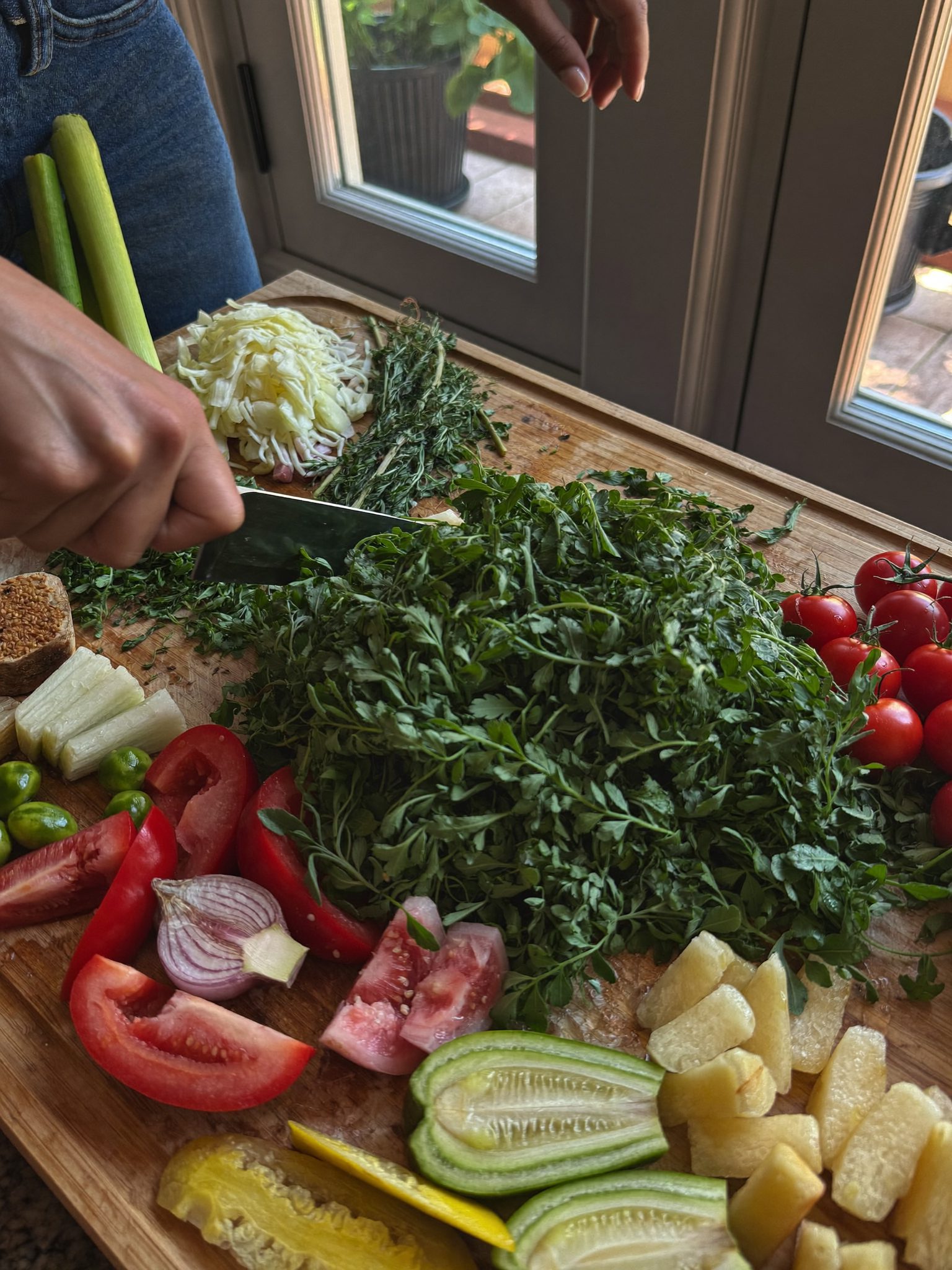
Most mornings a crate arrives from one grower or another. What's good and ready that day tends to decide what we write on the board.
We build the plate around it
Rather than force a fixed recipe, we cook to suit the ingredient — a firm cabbage roasts, a tired one goes into soup. The dish bends to the produce, not the other way round.
We use the whole thing
Tops, stalks, bones and crusts all have a second life as stock, pickle, crumb or pudding. Very little leaves the kitchen as waste.
It goes out warm and unfussed
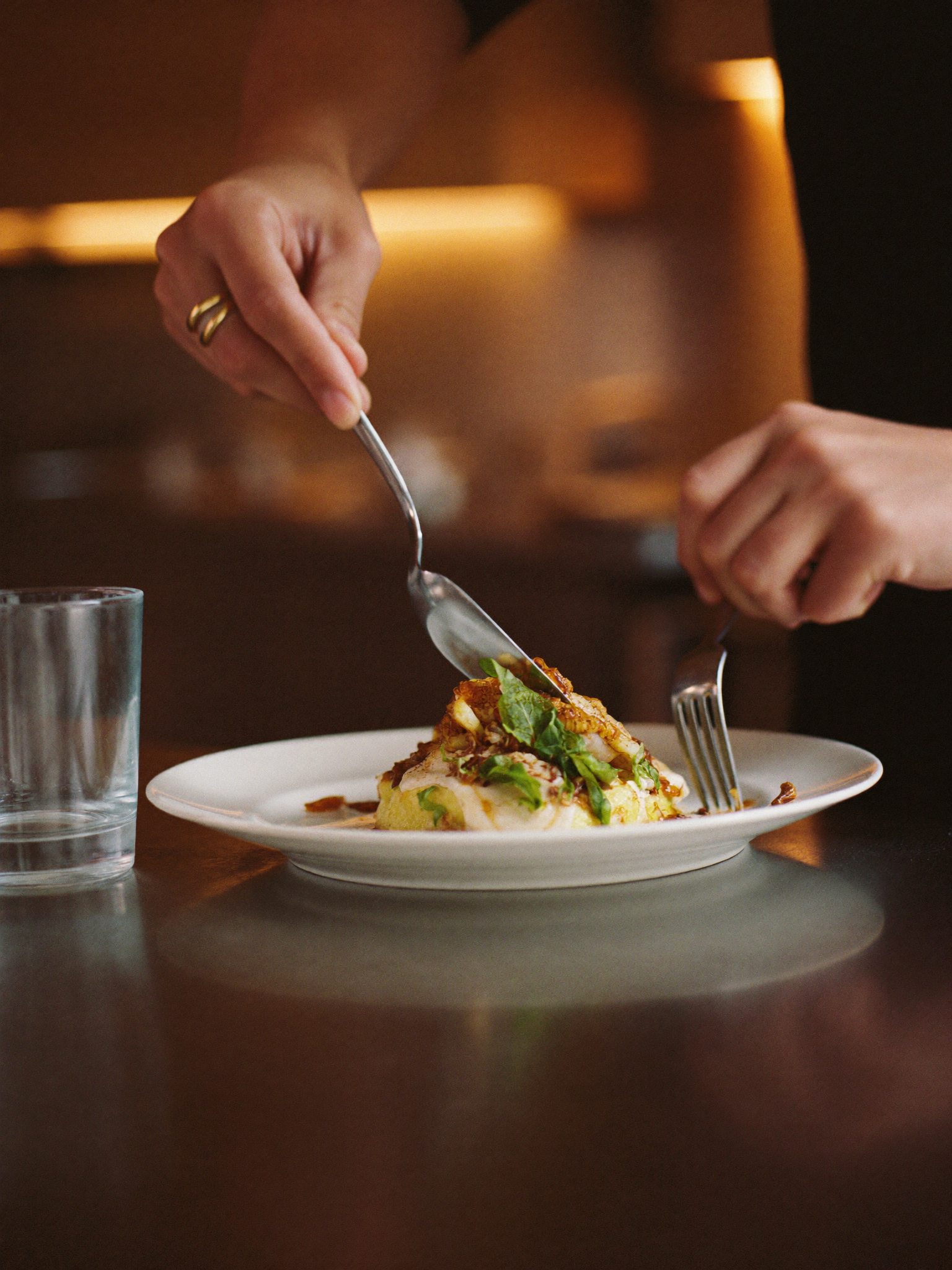
We plate simply and send it quickly. Slow food, we think, means slow in the making — not slow to arrive at your table.
On seasons
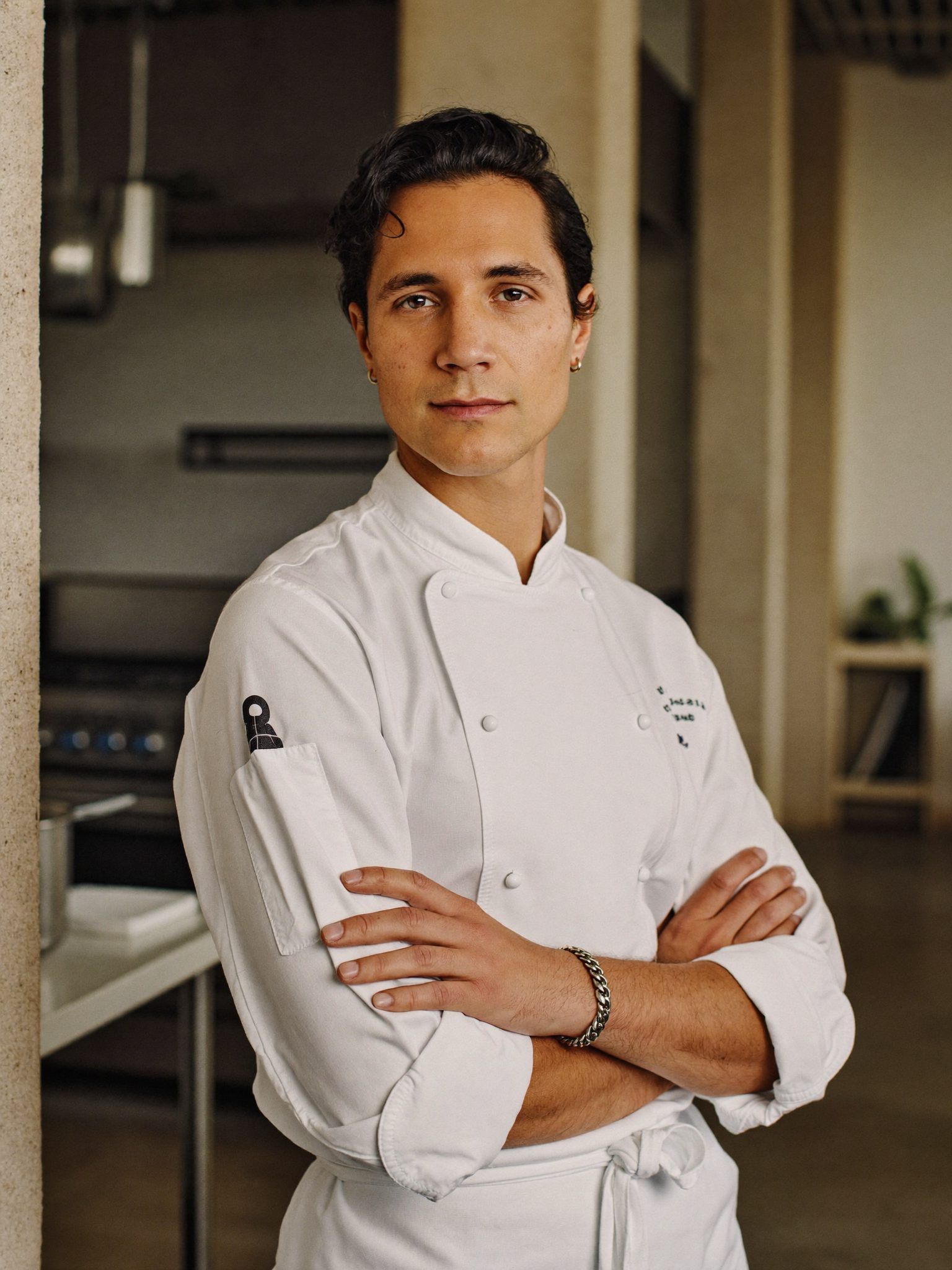
People ask for tomatoes in February and we just point at the board. A short menu is a promise: everything on it is meant to be eaten right now, at its best, not dragged in from the other side of the world.Dominic Hale — Sous Chef
Come and taste the difference a slow morning makes
Book a table for lunch or supper, or just drop in for coffee and whatever came out of the oven.